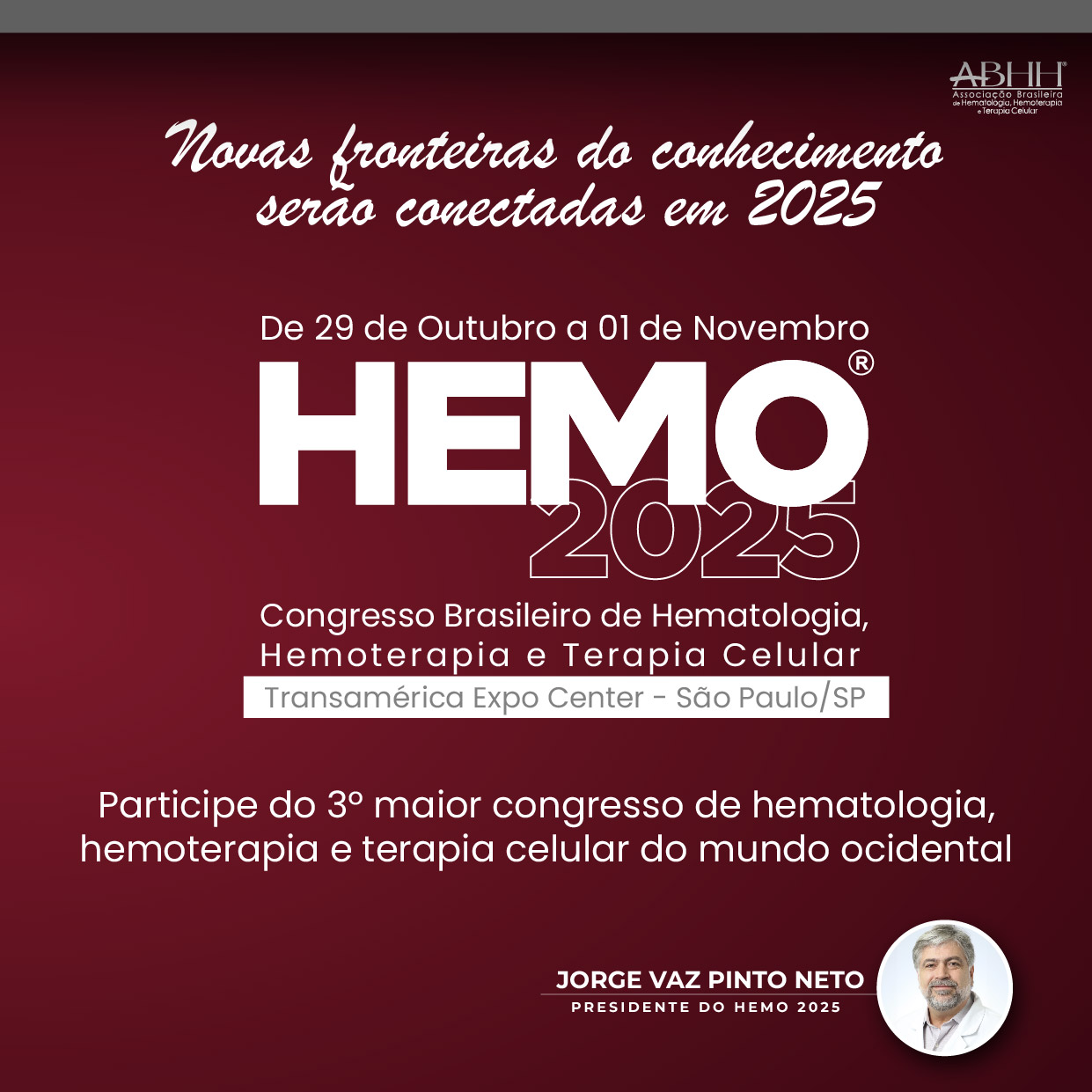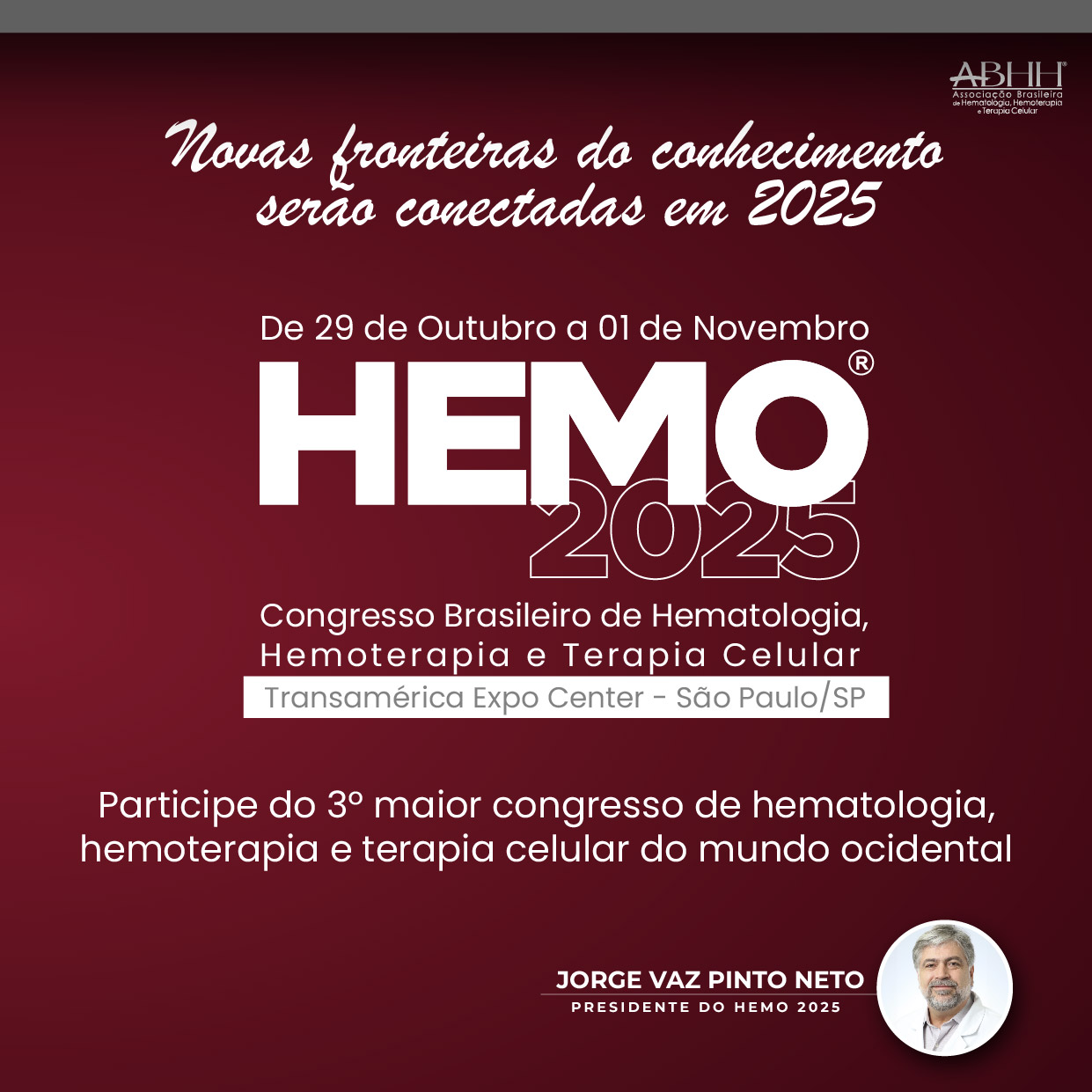
Hematology Specialist Association 19 National Congress
Mais dadosThe advent of tyrosine kinase inhibitors (TKIs) has revolutionized the management of chronic myeloid leukemia (CML), transforming it into a chronic condition with near-normal life expectancy. In this context, treatment-free remission (TFR)—defined as the maintenance of deep molecular response after discontinuation of TKIs—has emerged as a new therapeutic milestone beyond survival and disease control. While multiple clinical trials and real-world cohorts have demonstrated the feasibility and safety of TFR, several biological, molecular, and clinical factors continue to shape patient selection and long-term outcomes.
ContentThis presentation synthesizes evidence from pivotal discontinuation trials (STIM, EURO-SKI, ENESTfreedom, ENESTop, DASFREE, DESTINY) as well as real-world studies from Europe, Asia, and North America. Updated recommendations from international guidelines (ELN 2020/2025, NCCN 2025) are reviewed alongside emerging biological insights, including immune surveillance, transcript types, and microenvironmental regulation of leukemia stem cells. Novel approaches such as dose de-escalation, immunotherapy combinations, and predictive modeling are critically examined to delineate future directions in TFR research.
ResultsClinical evidence consistently shows that sustained TFR is achievable in approximately 40–60% of patients after ≥3 years of TKI therapy and ≥2 years of stable deep molecular response (DMR). Higher success rates have been reported in Japanese cohorts (up to 63%), underscoring the influence of patient selection and monitoring intensity.
1. Relapse dynamics: Most relapses occur within the first 6–12 months, with >95% of patients regaining major molecular response (MMR) after restarting TKIs. Late relapses are rare but underscore the necessity of lifelong molecular monitoring.
2. Predictors of success: Longer TKI duration (≥5 years), sustained MR4.5, and the e14a2 transcript type are consistently associated with improved outcomes. Immunological parameters, particularly increased NK cell activity and reduced regulatory T-cell frequencies, also correlate with durable remission.
3. Therapeutic strategies: Dose de-escalation (e.g., DESTINY trial) has been shown to reduce relapse risk and mitigate withdrawal symptoms. Second TFR attempts, as demonstrated in DAstop2, are feasible and safe for selected patients.
4. Adverse effects: Approximately 30–40% of patients experience musculoskeletal discomfort—termed “TKI withdrawal syndrome”—which is typically mild and self-limiting.
DiscussionTFR represents a paradigm shift in CML care, reflecting both biological disease control and patient-centered goals such as quality of life and long-term safety. While most relapses are molecular and rapidly reversible, careful patient selection and standardized monitoring remain essential to ensure safety. Regional differences highlight the importance of infrastructure: countries with frequent PCR monitoring and strong patient compliance report superior outcomes. Immunological studies suggest that durable TFR depends on effective immune surveillance, with NK cells and T-cell subsets emerging as potential biomarkers. Moreover, mathematical modeling of leukemia stem cell–microenvironment interactions provides new insights into relapse biology. Future research will likely integrate these biomarkers into predictive algorithms to personalize TFR eligibility. Importantly, novel combinations—such as TKI with interferon-α or immune checkpoint blockade—are under active investigation and may enhance remission durability.
ConclusionTFR is now established as a safe and realistic treatment goal in selected CML patients, particularly those with prolonged TKI exposure and stable deep molecular responses. Success rates of 40–60% can be expected, with >95% of relapsed patients regaining response upon retreatment. Ongoing efforts should focus on refining patient selection through biomarkers, enhancing durability with immunotherapy-based combinations, and harmonizing monitoring practices globally.