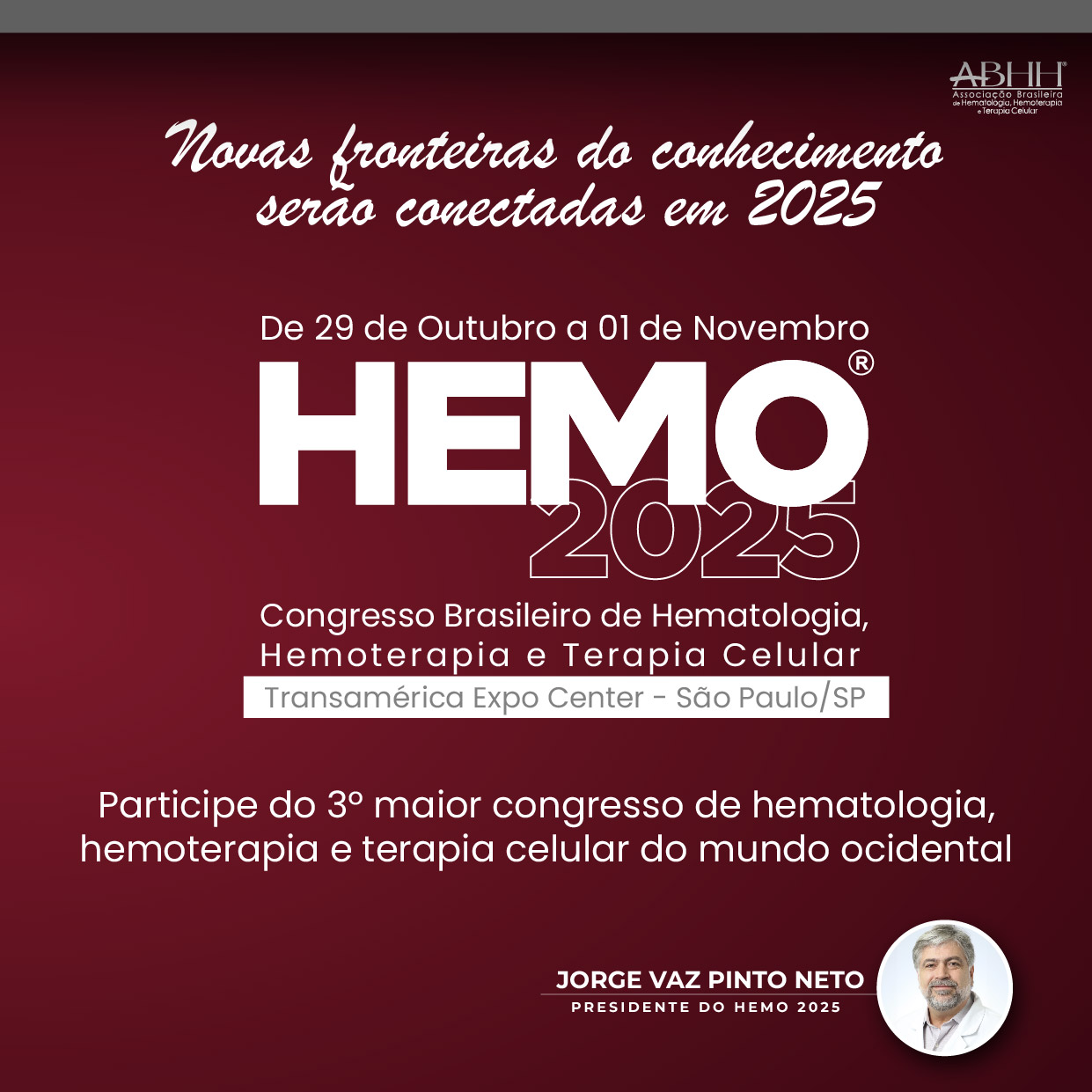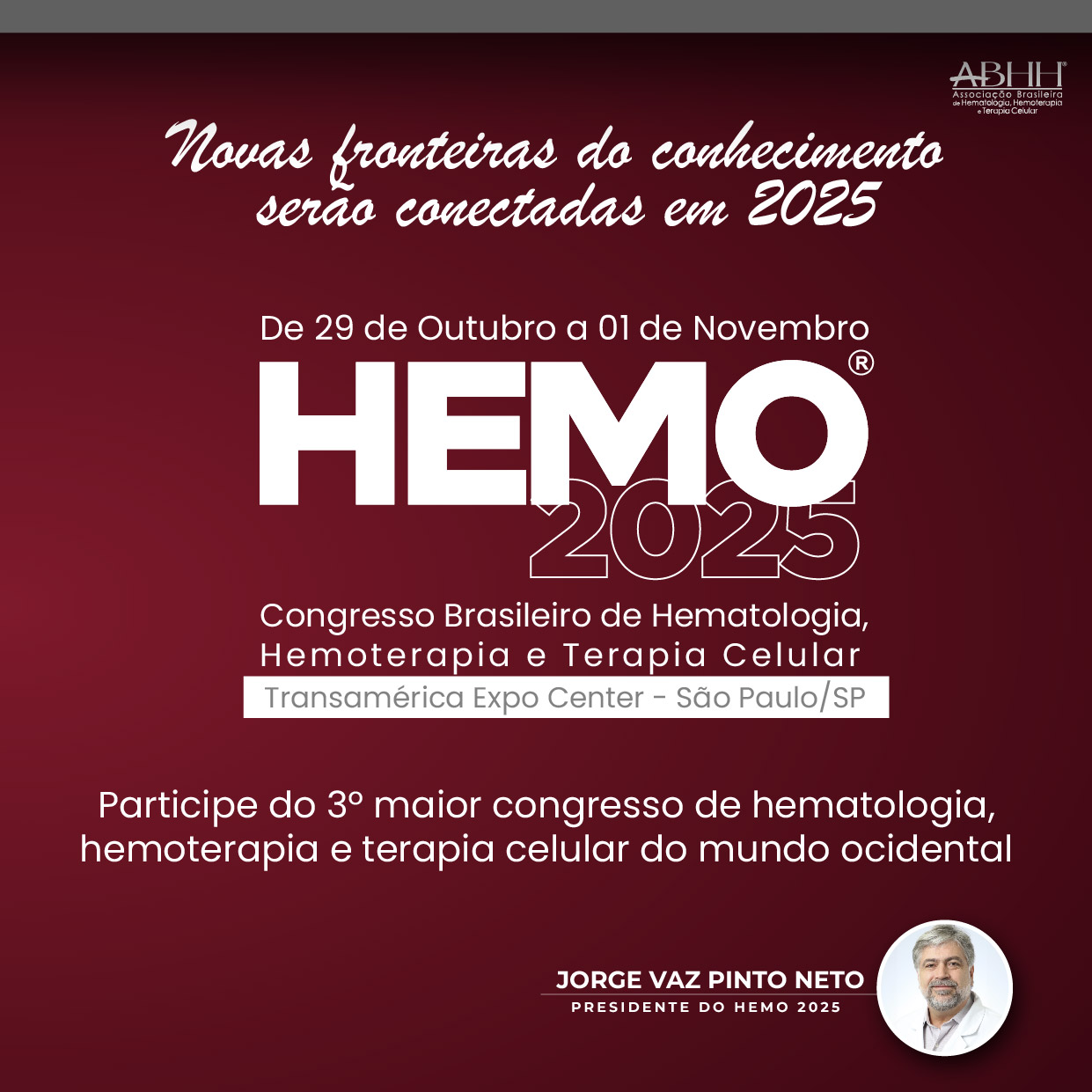
Hematology Specialist Association 19 National Congress
Mais dadosPlatelet function disorders (PFDs) represent a diverse group of qualitative platelet defects that often remain underdiagnosed despite normal platelet counts. Their clinical relevance extends beyond hematology, as undetected PFDs contribute to perioperative bleeding, complications in oncology, and challenges in balancing hemostasis with cardiovascular protection during antiplatelet therapy. For hematologists, timely recognition of these disorders is critical for optimal patient care.
Inherited PFDs (IPFDs) include Glanzmann thrombasthenia, Bernard–Soulier syndrome, and RUNX1-associated familial platelet disorder, each characterized by distinct receptor or signaling abnormalities. These range from impaired fibrinogen binding (αIIbβ3 defects) to defective adhesion (GPIb–IX–V complex deficiencies). Syndromic forms such as Wiskott–Aldrich syndrome illustrate the intersection of platelet dysfunction, immune dysregulation, and malignancy predisposition. The spectrum of bleeding can vary considerably. Acquired PFDs are more frequent and clinically impactful. Drugs such as aspirin and P2Y12 inhibitors, uremia, advanced liver disease, myeloproliferative neoplasms, and xtracorporeal circulation all compromise platelet activation or secretion. Given their prevalence, distinguishing pharmacologic platelet inhibition from true dysfunction is a practical challenge in routine hematology.
Diagnosis requires a structured, tiered approach. Clinical history and bleeding scores remain the foundation, but must be complemented by laboratory assays. Initial testing should exclude von Willebrand disease, while light transmission aggregometry, flow cytometry, and secretion assays provide functional insights. Next-generation sequencing now allows precise molecular classification of many IPFDs, though accessibility remains uneven. Novel technologies, including microfluidics and whole-blood shear assays, ...
Therapeutic strategies depend on etiology and severity. Antifibrinolytics and desmopressin are often sufficient for mild bleeding; platelet transfusions and recombinant factor VIIa are mainstays for severe inherited forms, particularly Glanzmann thrombasthenia complicated by alloimmunization. Hematopoietic stem cell transplantation offers curative potential in selected syndromic disorders. In acquired dysfunction, correcting underlying disease or adjusting medications is essential. Personalized perioperative pla...
Future challenges include diagnostic delays, variability in laboratory availability, and unequal global access to advanced therapies. However, rapid integration of genomics, standardized testing protocols, and emerging hemostatic agents promise to redefine clinical management. Collaborative registries and international networks will be essential to accelerate discovery and translate innovation into equitable care.
In conclusion, PFDs embody a nuanced and evolving frontier in hematology. By integrating advanced diagnostics with personalized management strategies, hematologists can reduce morbidity, anticipate complications, and contribute to reshaping the future of bleeding disorder care., Türkiye