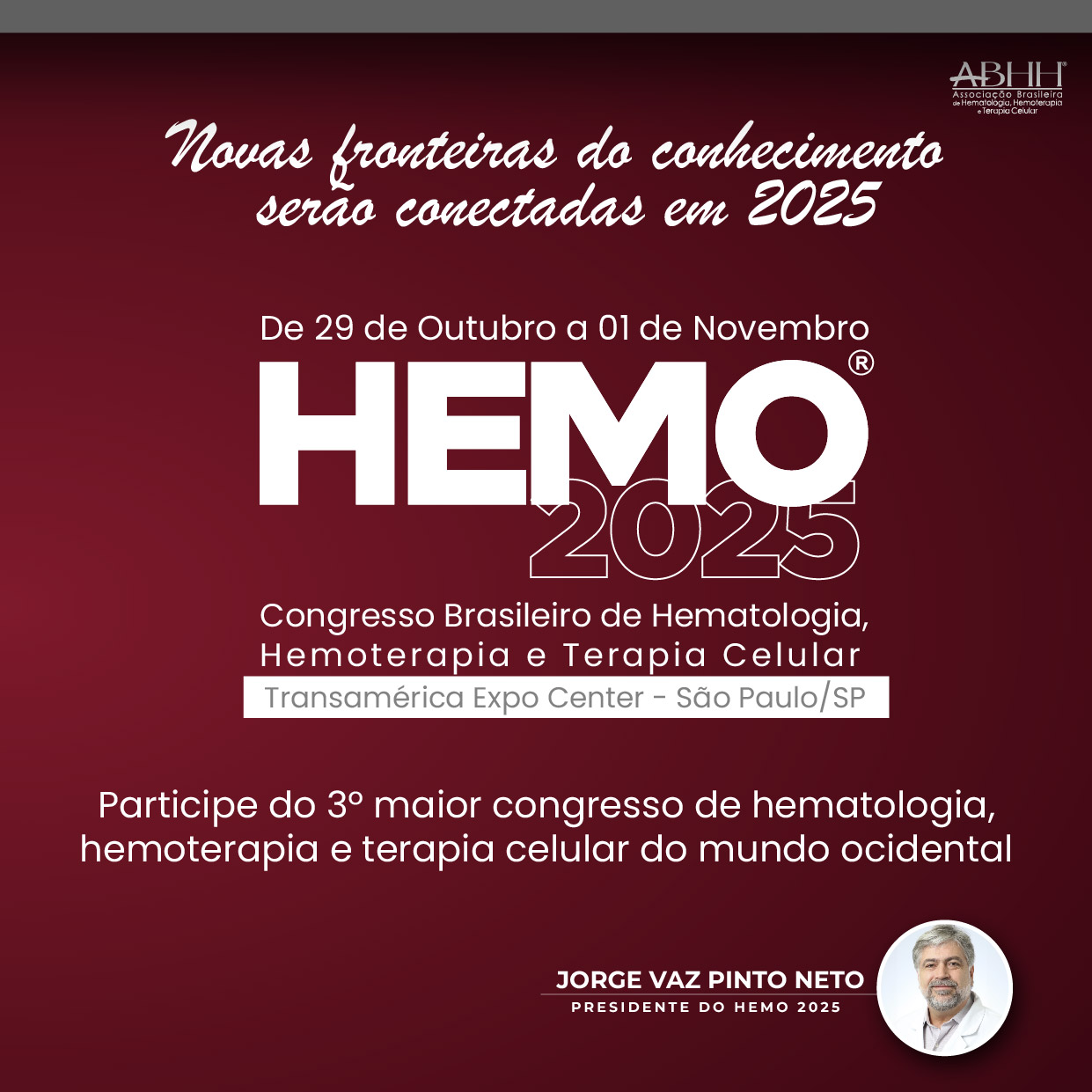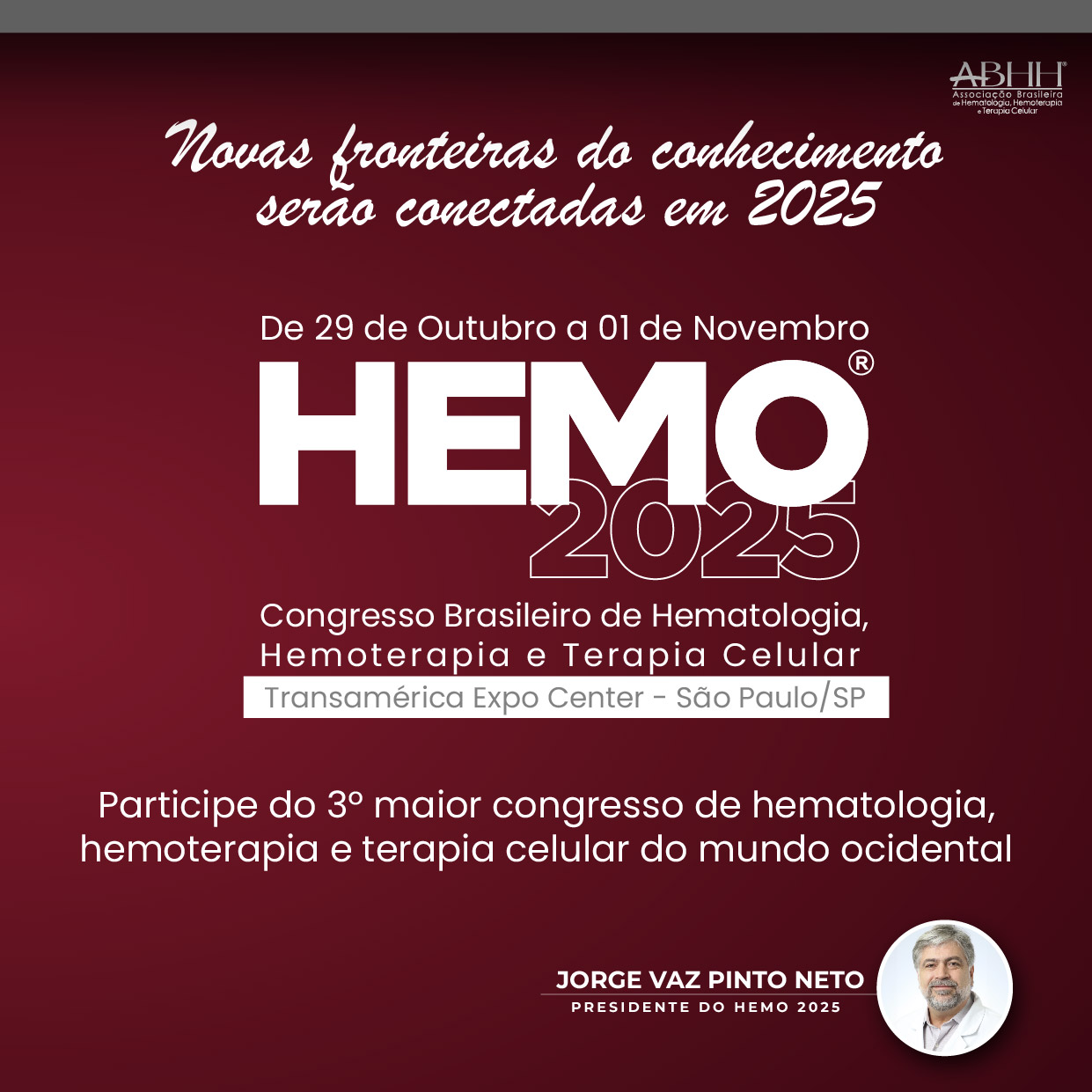
Hematology Specialist Association 19 National Congress
Mais dadosHemophilia is an X-linked recessive hereditary coagulation disorder characterized by a deficiency of factor VIII (hemophilia A) or factor IX (hemophilia B). Beginning in childhood, it constitutes a lifelong global health problem, associated with substantial morbidity, mortality, and treatment costs. While novel approaches—including gene therapies and non-factor-based biologic agents—are reshaping therapeutic strategies, factor replacement therapies remain the indispensable cornerstone of hemophilia management due to persistent clinical, biological, and economic limitations.
Gene TherapyGene transfer techniques utilizing adeno-associated virus (AAV) vectors (e.g., valoctocogene roxaparvovec, etranacogene dezaparvovec) have shown promise in maintaining sustained factor levels in adults. However, in pediatric populations, hepatocyte proliferation inevitably leads to loss of transgene expression. In addition, immune responses, hepatotoxicity, and the inability to administer repeat dosing represent major barriers to safety and efficacy in children. Ethical concerns further complicate implementation. For these reasons, gene therapy does not appear to be a feasible treatment option for pediatric hemophilia in the near future.
Non–Factor-Based AgentsEmicizumab, a bispecific antibody that mimics the bridging function of factor VIII, has significantly reduced bleeding frequency and revolutionized care, particularly in hemophilia A patients with inhibitors. Its subcutaneous administration enhances treatment adherence. Nevertheless, its inability to rapidly increase factor levels in emergencies such as major surgery or trauma is a critical limitation. Likewise, RNA interference (RNAi) therapies such as fitusiran and tissue factor pathway inhibitor (TFPI) inhibitors (concizumab, marstacimab) have shown encouraging results in clinical trials. However, thrombotic risks and uncertainties surrounding long-term safety restrict their use in pediatric populations.
Factor Replacement TherapyStandard and extended half-life (EHL) FVIII/FIX concentrates, supported by more than four decades of safety data, continue to form the foundation of prophylaxis in childhood. EHL products have reduced treatment burden with once- or twice-weekly dosing, while playing a vital role in maintaining joint health and preventing trauma-related bleeding episodes. Factor replacement therapy remains the gold standard for the management of acute bleeding.
Global Access and Health EconomicsGene therapies and biologic agents are accessible almost exclusively in high-income countries due to their prohibitive costs (USD 2–3 million per treatment; emicizumab approximately USD 400,000 annually). In contrast, in low- and middle-income countries, factor replacement remains the only feasible option, in line with World Federation of Hemophilia (WFH) recommendations.
ConclusionDespite recent paradigm shifts in the treatment of pediatric hemophilia, factor replacement remains indispensable. Gene therapies hold promise for the future, but biological and ethical constraints currently prevent their application in children. Non–factor-based agents have facilitated prophylaxis but are insufficient in emergencies and lack long-term safety data, particularly in major surgical procedures and severe acute bleeding episodes. Factor replacement therapies, with their proven efficacy, predictable pharmacokinetics, established safety, and global accessibility, continue to stand as the gold standard treatment option for both today and the foreseeable future.
*“A reference to a Turkish idiomatic saying, originally ‘Introducing a new custom to an old village’ (bringing new ways to an old place), which means introducing a revolutionary, unusual, or unexpected innovation or behavior into a traditional, clichéd order or way of doing things.”