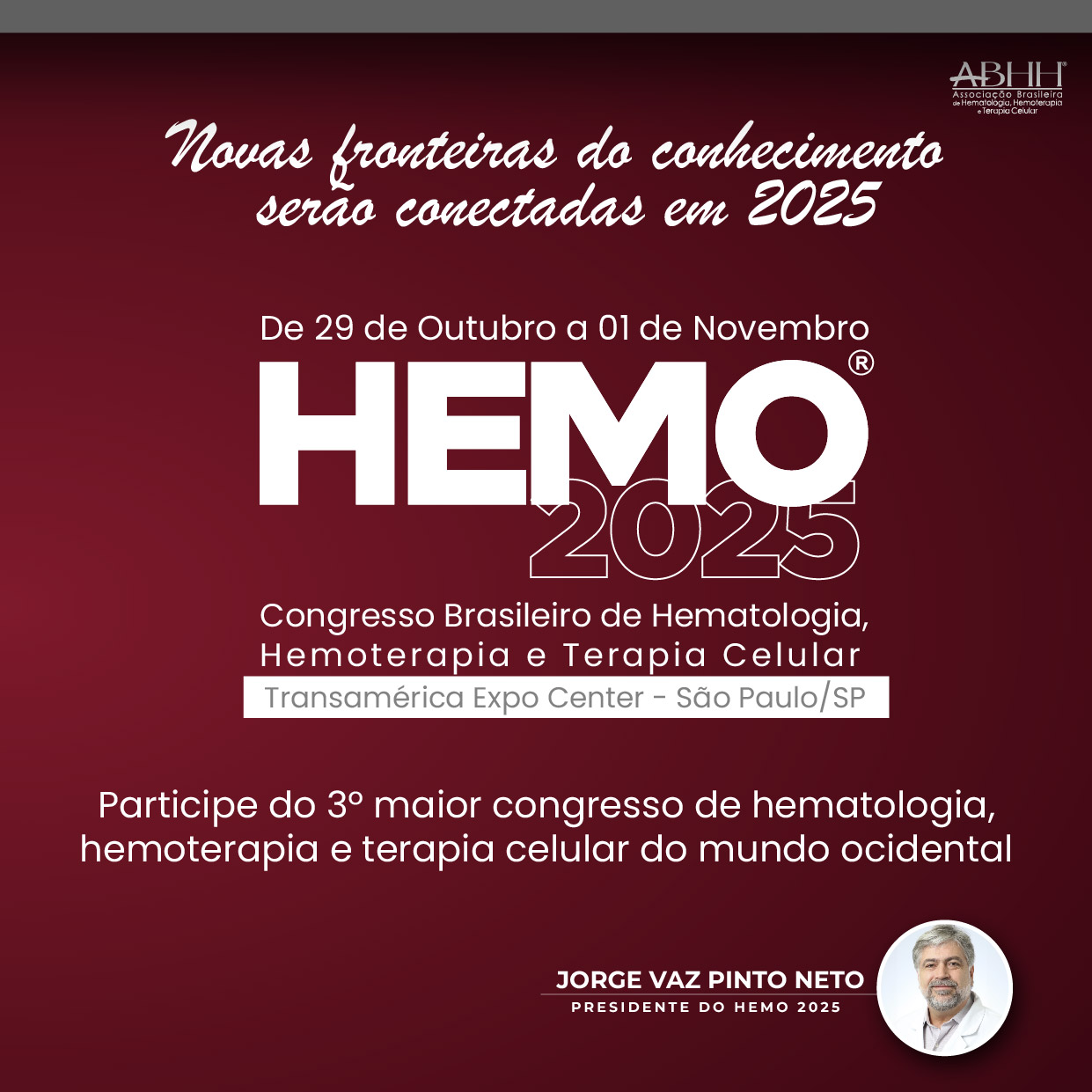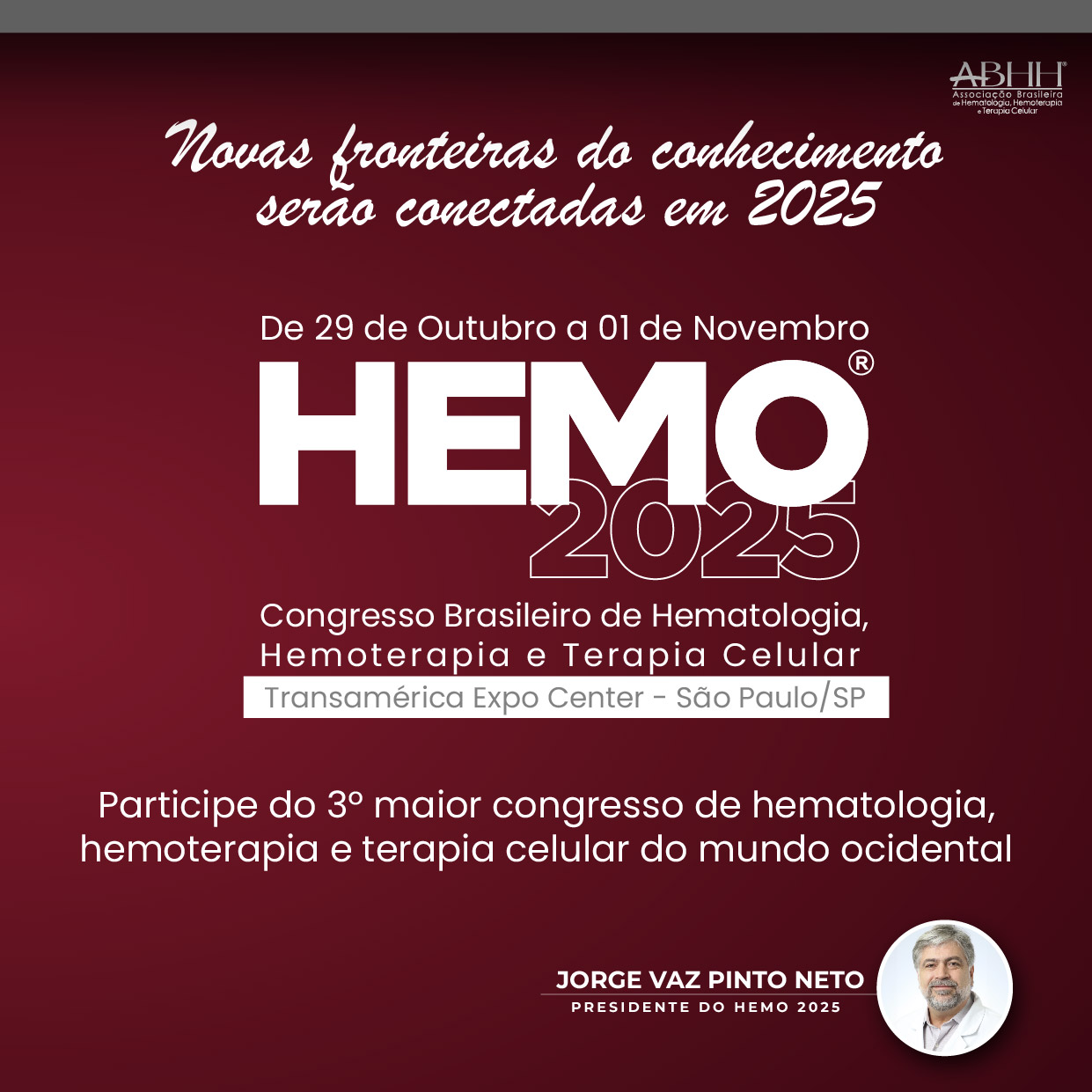
Hematology Specialist Association 19 National Congress
Mais dadosAllogeneic hematopoietic stem cell transplantation (HSCT) is a curative therapeutic option for various malignant and non-malignant hematological disorders. Donor selection remains the most critical factor affecting transplantation outcomes, with human leukocyte antigen (HLA) compatibility being the cornerstone of this process.
The traditional donor hierarchy begins with HLA-matched sibling donors (MSD), who provide the best outcomes with the lowest risk of graft-versus-host disease (GVHD) and transplant-related mortality (TRM). For patients without an MSD, matched unrelated donors (MUD) with 10/10 HLA compatibility are the next preferred option. Recent advances in high-resolution HLA typing have improved outcomes with unrelated donors, approaching results comparable to those of MSD.
When multiple compatible donors are available, non-HLA factors guide selection. Donor age significantly impacts outcomes, with younger donors (18-35 years) yielding better results. Cytomegalovirus serostatus concordance between donor and recipient is crucial to prevent post-transplant complications. Male donors are generally preferred over female donors, particularly for male recipients, due to the increased risk of chronic GVHD associated with female-to-male transplants. ABO blood group compatibility, while not affecting survival directly, influences the risk of immediate post-transplant complications.
Alternative donor sources have expanded transplantation possibilities for patients lacking conventional donors. Haploidentical family donors have seen remarkable improvements in outcomes with the introduction of post-transplant cyclophosphamide (PTCy), challenging the traditional donor hierarchy. Umbilical cord blood units provide another alternative, particularly beneficial in pediatric patients, despite limitations in cell dose.
Donor selection strategies differ between pediatric and adult populations. In pediatric patients, the focus remains on minimizing long-term complications, particularly chronic GVHD, which can severely impact growth and development. In adults, stronger graft-versus-leukemia effects may be prioritized in high-risk malignancies, making alternative donors with potential for enhanced alloreactivity more attractive.
Disease-specific considerations also influence donor choice. Benign hematological disorders require complete HLA matching to minimize complications, while in malignant diseases, partial HLA mismatches might be accepted to enhance graft-versus-tumor effects. Hodgkin lymphoma patients demonstrate superior outcomes with haploidentical donors compared to MUDs, challenging conventional hierarchies.
Donor exclusion criteria encompass medical conditions that may increase donation-related risks or compromise graft quality. These include cardiovascular, pulmonary, hematological, and immunological disorders, active infections, and malignancy history.
As transplantation practices evolve, personalized donor selection algorithms incorporating disease characteristics, patient factors, donor availability, and center experience are replacing rigid hierarchies, ultimately improving outcomes for patients requiring allogeneic HSCT.